

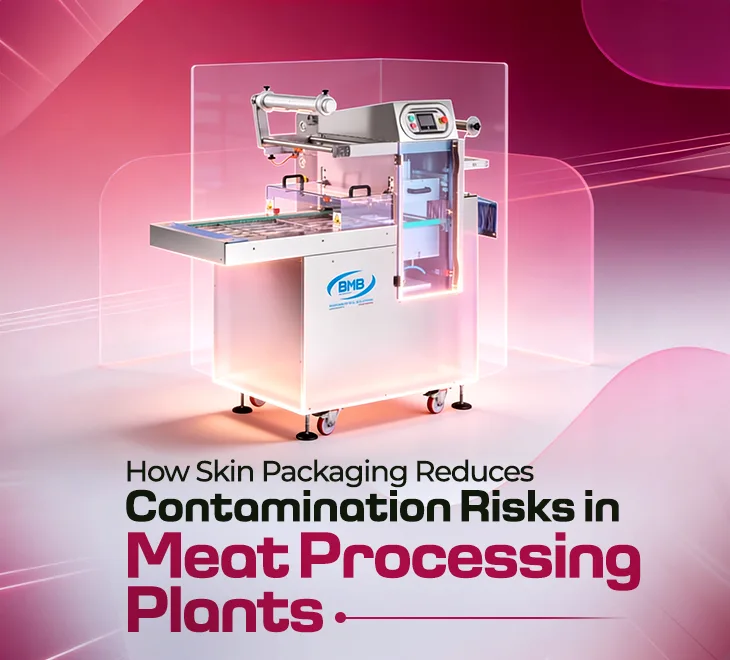
Did you know how meat processing plants make sure that their products remain safe and contamination-free? Contamination in these facilities can lead to serious health risks, spoilage, and regulatory issues. To tackle these challenges, advanced packaging methods like skin packaging have become essential. By using a skin packaging machine in KSA, meat processors can significantly reduce the risk of contamination. This innovative technology creates an airtight and protective seal that safeguards the meat from external elements. The tight seal also prevents the meat from coming into contact with harmful bacteria or airborne contaminants. Also, skin packaging helps maintain the product's quality and safety throughout the processing, storage, and transportation phases.
What is Skin Packaging?
Skin packaging is a vacuum-sealing method that tightly wraps a product with a thin layer of film. This process, known for food contamination prevention, involves placing the product on a tray and applying a heated, pliable, clear film. The film is drawn tightly around the meat under vacuum conditions by making sure the packaging is perfectly sealed. By using this method, vacuum sealing meat helps maintain its shape, appearance, and freshness while providing a protective barrier against external contaminants.
How Skin Packaging Prevents Contamination
Sealing Out External Contaminants
Skin packaging creates a vacuum-sealed environment that keeps the meat safe from airborne contaminants. This protective film helps reduce the risk of contamination during processing and transportation by making it a necessary method for contamination control in food plants.
- Prevents airborne bacteria from settling on the meat.
- Blocks dirt, dust, and particles that could lead to contamination.
- Limits human contact with the meat by reducing cross-contamination.
Reduced Exposure to Oxygen
Skin packaging minimizes the exposure of meat to oxygen, which slows down the growth of harmful bacteria. This extends the meat's shelf life and prevents spoilage, a benefit seen in modified atmosphere packaging (MAP) as well.
- Slows down microbial growth by reducing oxygen exposure.
- Prevents aerobic bacteria from thriving on the meat.
- Maintains freshness by reducing the need for preservatives that may cause contamination.
Maintaining Product Integrity and Cleanliness
Skin packaging makes sure that the meat retains its shape and cleanliness during the supply chain journey. The snug fit of the film prevents physical damage and makes sure the product is hygienic.
- Prevents physical damage that could expose the meat to contamination.
- Keeps the meat hygienic by maintaining a clean outer surface.
- Improves shelf appeal by maintaining the meat’s appearance.
Limiting the Spread of Pathogens During Processing
During processing, skin packaging helps prevent the spread of pathogens by keeping meat sealed. This minimizes the risk of contamination during handling and storage, and it is essential for processed meat packaging.
- Protects the meat during storage by keeping it sealed from contamination.
- Reduces handling by decreasing the chances of contamination.
- Keeps the meat sealed until it reaches consumers by reducing exposure to pathogens.
Top Advantages of Skin Packaging in Meat Processing Plants
- Extended Shelf Life: Skin packaging helps keep meat fresher for longer by reducing exposure to oxygen and contaminants. Here, meat can be stored for long periods without significant loss of quality.
- High Visual Appeal: The tight fit of the packaging enhances the meat's natural color and texture. This makes the product more appealing to consumers and helps boost sales.
- Affordable: Skin packaging is sometimes more affordable than other methods, like vacuum sealing or modified atmosphere packaging. It uses less material and reduces the need for preservatives.
- High Brand Reputation: Meat packaged in skin packaging is perceived as cleaner and of higher quality. This can improve the brand’s reputation and attract more customers who value safety and quality.
- Efficient Packaging Process: Using a skin packaging machine in Qatar improves efficiency in packaging operations by making sure faster processing times while maintaining product quality.
- High Hygiene: Skin packaging reduces human contact with the meat by reducing the risk of contamination. This creates a more hygienic environment to make sure that the meat remains clean and safe throughout the packaging process.
- Eco-friendly Option: Skin packaging is considered more environmentally friendly because it requires less plastic compared to other packaging methods. This helps meat processors reduce waste and their carbon footprint while maintaining product quality.
Increase Meat Quality and Safety with Skin Packaging Solution
Contamination in meat processing plants is a major concern, but skin packaging offers an effective solution to reduce these risks. By creating an airtight and protective seal around the product, skin packaging saves meat from bacteria, dirt, and harmful pathogens. Beyond preventing contamination, skin packaging also extends shelf life, preserves product integrity, and make sure compliance with food safety regulations. For meat processors, adopting skin packaging is a smart and effective choice to improve product safety. Using a skin packaging machine in Dubai, integrated into their processes, can reduce contamination and improve consumer trust and satisfaction. This results in better business performance and long-term market success.
 Categories
 Our Brands